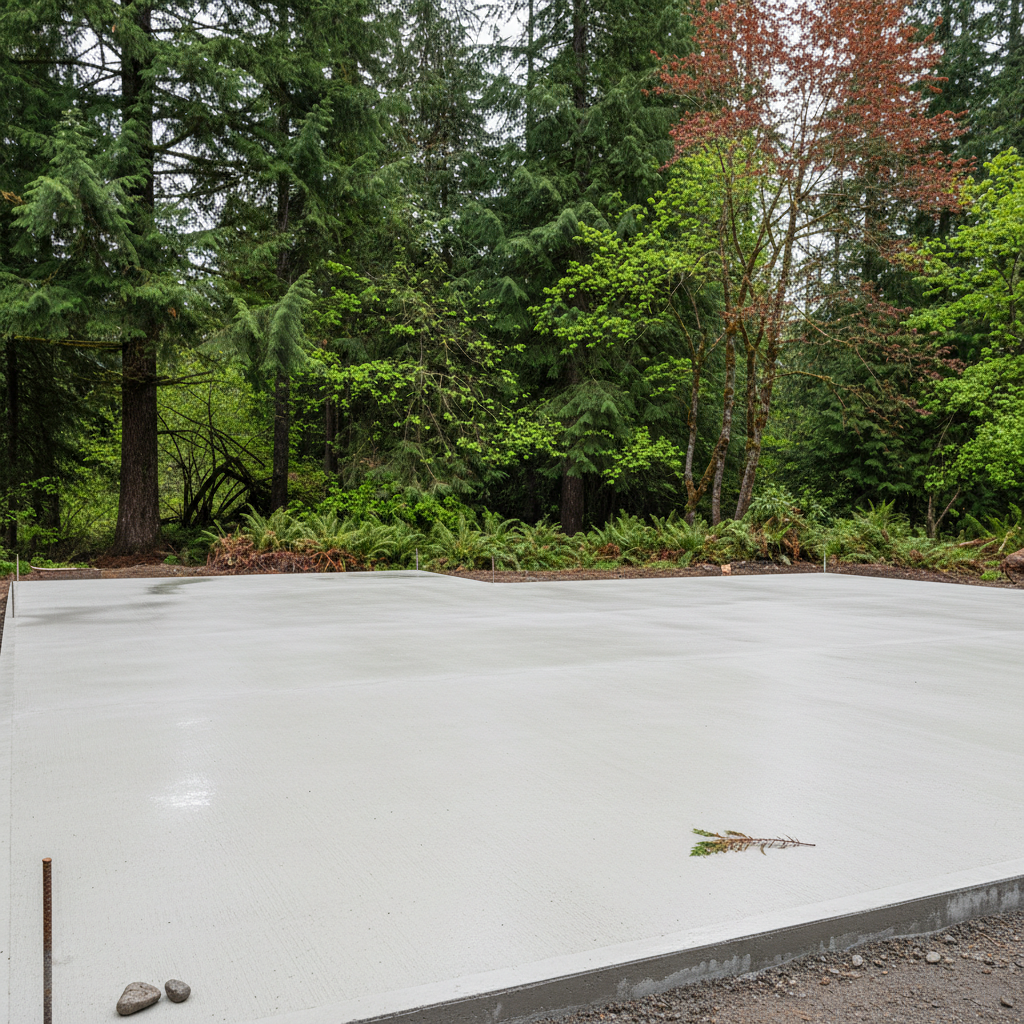
Your home's foundation is a big deal. It's not something you think about every day, but it's literally holding everything up. Here in Redmond, with our wet winters and those occasional dry spells, your foundation goes through a lot. You want it to last, right? So let's talk about how to keep it strong for the long haul.
Extending Your Foundation's Lifespan in the PNW
The good news is, a well-built concrete foundation is tough. But 'tough' doesn't mean 'indestructible,' especially with our Pacific Northwest weather patterns. The biggest enemy for foundations around here? Water. It's not just rain; it's how that rain interacts with the soil around your house.
- Good Drainage is King: This is probably the most important thing you can do. Make sure your gutters are clean and downspouts extend at least 5-6 feet away from your foundation. You don't want water pooling near the base of your home. Think about the clay soils we often find in areas like Education Hill — they expand when wet and contract when dry. That constant movement puts stress on your foundation. Grading your landscape so water flows away from the house is crucial.
- Control Vegetation: Trees and large shrubs too close to the foundation can be a problem. Their roots can seek out moisture, and as they grow, they can exert pressure on the concrete. Plus, thirsty plants can dry out the soil unevenly, leading to settlement issues. Keep plantings a reasonable distance away.
- Maintain Consistent Soil Moisture: This sounds counter-intuitive in a wet climate, but extreme drying can be just as bad as too much water. In our drier summer months, if the soil around your foundation gets bone-dry and shrinks, it can cause settlement. Sometimes, a little controlled irrigation during extended dry spells can help maintain more consistent soil moisture, especially if you have expansive clay.
What Regular Foundation Maintenance Looks Like
You don't need to be out there with a magnifying glass every day, but regular checks can save you a lot of headache and money down the road.
- Visual Inspections: Walk around your house a couple of times a year, maybe once in the spring after the heavy rains and again in the fall before they start. Look at the exterior of your foundation. Are there any new cracks? Are existing cracks getting wider or longer? Check the soil around the foundation for erosion or pooling water.
- Gutters and Downspouts: I can't stress this enough. Clean them out. Make sure they're not clogged with leaves and debris. Ensure those downspout extensions are still doing their job and haven't been crushed or moved.
- Sump Pump Check (if you have one): If your home has a sump pump, test it regularly. Pour a bucket of water into the pit to make sure it kicks on and drains properly. You don't want to find out it's failed during a major downpour.
Warning Signs of Foundation Problems
Your house will tell you when something's up, if you know what to look for. Don't ignore these signals:
- Cracks in the Foundation Walls: Hairline cracks are pretty common and usually nothing to worry about. But if you see cracks that are wider than a quarter-inch, horizontal, stair-step, or if they're growing, that's a red flag.
- Sticking Doors and Windows: If doors or windows that used to open and close easily are now sticking, binding, or won't latch properly, it could indicate uneven settlement.
- Cracks in Interior Walls or Ceilings: Look for cracks in drywall, especially above door frames, around windows, or where walls meet ceilings.
- Sloping Floors: If you feel like you're walking uphill or downhill in certain parts of your house, or if a ball rolls across the floor on its own, your foundation might be settling unevenly.
- Gaps Around Window/Door Frames or at Floor/Wall Joints: These can indicate movement.
When to Call a Professional
Look, you're not expected to be a foundation expert. That's my job. If you see any of those warning signs, or if you're just generally concerned, it's time to call in someone who knows what they're looking at. Don't wait until a small problem becomes a huge, expensive nightmare.
A professional, like us at Allied Concrete Solutions, can assess the situation, figure out what's causing the issue, and recommend the right solution. Sometimes it's a simple fix, like improving drainage. Other times, it might involve more significant repairs like helical piers or slab jacking. The key is to get an expert opinion early. We've seen it all, from minor settlement to significant issues caused by years of poor drainage. Getting ahead of it means protecting your home and your investment.
Your foundation is the backbone of your home. A little vigilance and timely action can ensure it stays strong for many, many years to come.